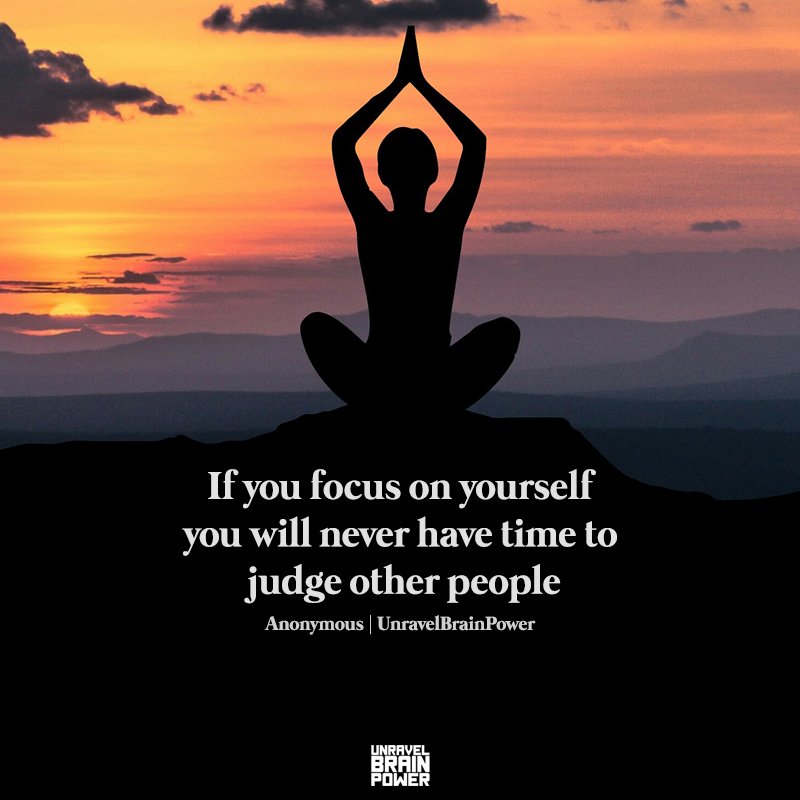
Ever felt like you're running on empty, constantly giving to others but never refilling your own well? That’s where the power of focusing on yourself comes in. Sometimes, all it takes is a well-placed reminder – like one of those "focussing on me quotes" that cuts through the noise and makes you rethink your priorities. Finding words that resonate can be the spark you need to reclaim your time and energy.
At a glance:
- Discover how "focussing on me quotes" can be more than just feel-good sayings – they're catalysts for real change.
- Learn practical strategies to prioritize self-care without feeling selfish.
- Understand how self-focus strengthens your relationships and overall well-being.
- Get actionable steps to set boundaries and create a life that aligns with your values.
- Debunk common misconceptions about self-focus and embrace your individuality.
The Untapped Power of Self-Focus: It's Not Just About "Me Time"
Let's be real: self-focus often gets a bad rap. It's easy to confuse it with selfishness or self-absorption. But at its core, prioritizing yourself is about cultivating a strong foundation for a fulfilling life. It's about understanding your needs, values, and goals, and aligning your actions accordingly. It’s understanding that pouring from an empty cup helps no one.
Think of it like this: you can’t effectively help others if you’re constantly running on fumes. Taking time to recharge, reflect, and invest in your own well-being is not a luxury; it's a necessity. It's like the oxygen mask analogy on an airplane: you have to secure your own mask before assisting others. Focusing on yourself isn't selfish; it's strategic.
Deciphering "Focussing On Me Quotes": Beyond the Instagram Post
You've seen them: the perfectly curated "focussing on me quotes" plastered across social media. While these snippets can offer a momentary boost, their true value lies in their ability to spark deeper reflection. The best quotes aren't just feel-good affirmations; they're potent seeds of change.
But how do you move beyond the superficial and integrate these quotes into your daily life? Here's a step-by-step approach:
- Identify Your Needs: What areas of your life feel neglected? Are you craving more creativity, connection, or calm?
- Find Resonant Quotes: Seek out quotes that speak directly to your needs. Don't just skim; truly absorb their meaning.
- Reflect and Journal: Spend time journaling about how the quote relates to your life. What actions can you take to embody its message?
- Incorporate into Daily Routine: Display the quote prominently – on your mirror, desk, or phone. Let it serve as a constant reminder of your intentions.
For example, let's say you're feeling overwhelmed by other people's expectations. You might gravitate towards a quote like, "You are the author of your own story." Instead of just liking the post, ask yourself: What chapters am I writing that don't align with my true desires? What steps can I take to rewrite them?
Self-Care Isn't Selfish: Reclaiming Your Time and Energy
Many people struggle with guilt when prioritizing self-care. They worry that they're neglecting their responsibilities or letting others down. But here's the truth: you can't pour from an empty cup. Taking care of your needs isn't selfish; it's essential for maintaining your well-being and being fully present in your relationships.
To combat feelings of guilt, reframe self-care as a form of preventative maintenance. Just like you wouldn't skip oil changes on your car, you can't neglect your own needs without consequences. Burnout, resentment, and decreased productivity are just a few of the potential pitfalls.
Here are some practical strategies for incorporating self-care into your daily routine:
- Schedule it: Treat self-care like any other important appointment. Block off time in your calendar and stick to it.
- Start small: Even 15 minutes of quiet time or a short walk can make a difference.
- Say no: Learn to politely decline commitments that drain your energy.
- Delegate: Don't be afraid to ask for help when you're feeling overwhelmed.
- Prioritize sleep: Aim for 7-8 hours of quality sleep each night.
- Nourish your body: Eat healthy foods and stay hydrated.
- Move your body: Exercise regularly to boost your mood and energy levels.
Setting Boundaries: The Foundation of Self-Focus
Boundaries are essential for protecting your time, energy, and emotional well-being. They're the invisible lines that define where you end and others begin. Without clear boundaries, you're susceptible to being taken advantage of, feeling resentful, and experiencing burnout.
Setting boundaries can be challenging, especially if you're a people-pleaser. But it's a skill that can be learned and honed over time.
Here's a step-by-step guide to setting healthy boundaries:
- Identify Your Limits: What behaviors or situations make you feel uncomfortable, resentful, or drained?
- Communicate Clearly: Express your boundaries assertively and respectfully. Use "I" statements to avoid blaming or accusing. For example, instead of saying "You always interrupt me," say "I feel frustrated when I'm interrupted, and I would appreciate it if you could let me finish my thoughts."
- Be Consistent: Enforce your boundaries consistently. Don't make exceptions or give in to pressure.
- Prepare for Pushback: People may resist your boundaries initially. Be prepared to stand your ground and reiterate your needs.
- Practice Self-Compassion: Setting boundaries can be difficult. Be kind to yourself and celebrate your progress.
It’s also about setting internal boundaries. This might look like limiting how much time you spend on social media or actively choosing to not engage in negative self-talk.
How Self-Focus Strengthens Relationships: A Counterintuitive Truth
It might seem counterintuitive, but focusing on yourself can actually improve your relationships. When you prioritize your own well-being, you become a more balanced, resilient, and present partner, friend, and family member. You have more energy to give, more patience to offer, and more clarity to communicate effectively.
Here's how self-focus can strengthen your relationships:
- Improved Communication: When you're clear about your needs and boundaries, you can communicate them more effectively, leading to less misunderstandings and conflict.
- Increased Empathy: When you understand your own emotions, you're better equipped to understand and empathize with the emotions of others.
- Reduced Resentment: When you're not constantly sacrificing your own needs, you're less likely to feel resentful towards others.
- Greater Authenticity: When you're living in alignment with your values, you're more authentic and genuine in your interactions with others.
The "Focussing On Me" Playbook: Practical Steps for a More Self-Focused Life
Ready to put these principles into action? Here's a practical playbook for cultivating a more self-focused life:
- Morning Ritual: Start your day with a mindful activity, such as meditation, journaling, or yoga. Even 10 minutes can set a positive tone for the day.
- Digital Detox: Schedule regular breaks from technology to disconnect and recharge. This could be a phone-free dinner, a weekend without social media, or a dedicated "tech-free zone" in your home.
- Solo Adventures: Plan regular solo activities, such as hiking, visiting a museum, or attending a concert. This allows you to explore your interests and enjoy your own company.
- Creative Expression: Engage in activities that allow you to express your creativity, such as painting, writing, playing music, or dancing.
- Learning and Growth: Dedicate time to learning new skills or pursuing personal interests. This could be taking a course, reading books, or attending workshops.
- Mindful Consumption: Be mindful of what you consume – both physically and mentally. This includes food, media, and the company you keep.
Quick Answers: Addressing Common Objections to Self-Focus
Still have some lingering doubts? Here are answers to some common questions and misconceptions about focusing on yourself:
Q: Isn't focusing on myself selfish?
A: No. Self-care is not selfish; it's essential for maintaining your well-being and being able to contribute positively to your relationships and the world.
Q: I don't have time to focus on myself.
A: Even small acts of self-care can make a difference. Start with 15 minutes a day and gradually increase the time as you see fit. Prioritize your well-being just as you would any other important task.
Q: What if people disapprove of my boundaries?
A: Setting boundaries can be challenging, but it's essential for protecting your well-being. Be assertive and consistent, and remember that you're not responsible for other people's reactions.
Q: I feel guilty when I prioritize my needs.
A: Reframe self-care as a form of preventative maintenance. You can't pour from an empty cup, and taking care of your own needs allows you to be more present and effective in your relationships and work.
Q: How do I know what my needs are?
A: Take time to reflect on your values, interests, and goals. Pay attention to what activities make you feel energized and fulfilled, and what activities drain your energy. Experiment with different self-care practices to find what works best for you.
Remember, the journey of self-discovery and self-focus is a marathon, not a sprint. Some days will be easier than others, and that’s okay. The key is to stay committed to your own well-being and to keep taking small steps forward. Sometimes, a little inspiration is all you need, and for that, you can always revisit the power of focusing on yourself. Need a broader perspective? This guide offers many more Focus on personal growth quotes to inspire you.
Prioritize Your Growth Now
Ultimately, focusing on yourself is an investment in your future. It's about creating a life that aligns with your values, fulfills your needs, and allows you to thrive. It's about recognizing your worth, honoring your potential, and taking responsibility for your own happiness.
So, take a deep breath, embrace your individuality, and embark on the journey of self-discovery. You deserve it.