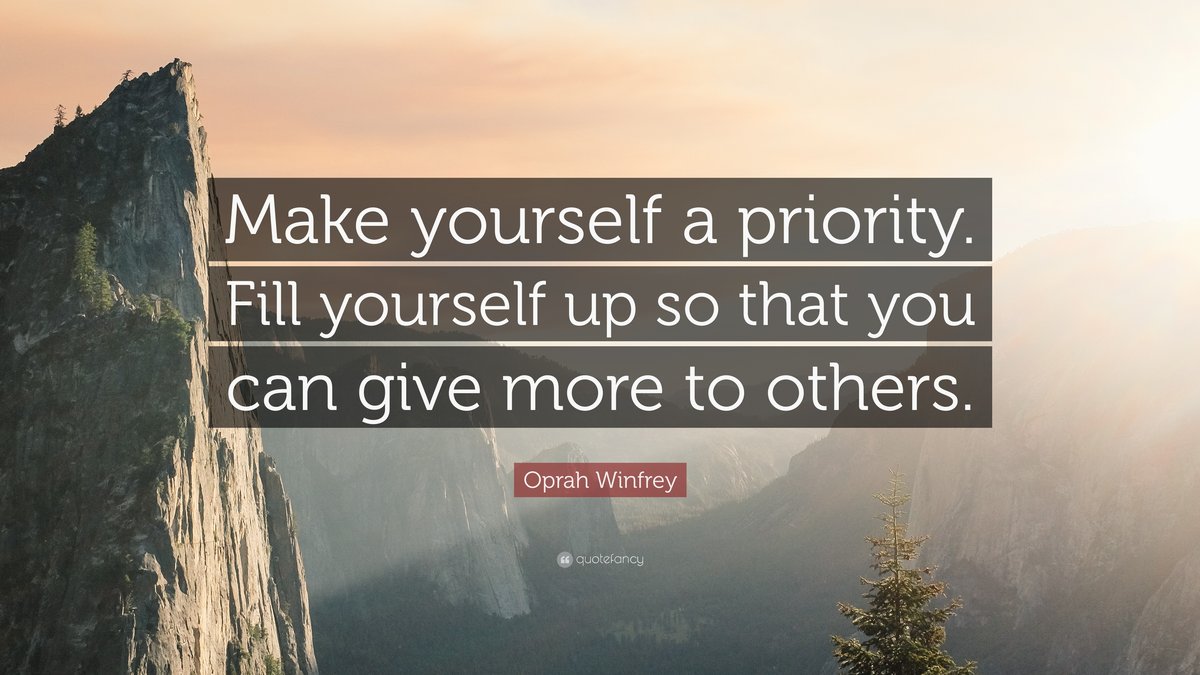
Ever scrolled through Instagram and seen a "make yourself a priority quote" and thought, "Yeah, right, in what universe?" We get it. Life is a whirlwind. But what if prioritizing yourself wasn't selfish, but essential? What if it was the very thing that allowed you to thrive, not just survive? Let's ditch the guilt and explore how making yourself a priority isn't a luxury, but a necessity.
At a glance:
- Prioritizing yourself is crucial for your well-being and ability to support others.
- Neglecting your needs leads to burnout and reduced effectiveness.
- Self-care isn't selfish; it's an investment in your overall health and happiness.
- Setting boundaries is key to protecting your time and energy.
- You deserve to be a priority in your own life.
Why "Me First" Isn't a Dirty Phrase
For many of us, the idea of prioritizing ourselves feels…wrong. We're conditioned to put others first, to be selfless, to be the dependable one. But think of it this way: you can't pour from an empty cup. If you're constantly giving without replenishing, you'll eventually run dry.
Prioritizing yourself is about recognizing your own worth and understanding that your needs matter just as much as everyone else's. It's about creating a life that supports your well-being, not one that constantly drains you. Think of the oxygen mask analogy on an airplane: you're instructed to put yours on first before assisting others. Why? Because you can't help anyone if you're passed out!
The Burnout Trap: What Happens When You Don't Prioritize Yourself
Ignoring your own needs comes at a cost. Burnout, stress, anxiety, and even physical illness can creep in when you consistently put yourself last. You might find yourself feeling resentful, irritable, and exhausted. And ironically, you become less effective at helping others because you're operating from a place of depletion.
Consider the common scenario of caregivers. Whether caring for children, elderly parents, or a partner in need, caregivers often sacrifice their own well-being. They run themselves ragged, neglecting their own physical and emotional health. While their intentions are noble, the long-term consequences can be devastating, both for the caregiver and the person they're caring for. Recognizing the need for respite care and proactively planning for it is a critical form of self-prioritization.
Shifting Your Mindset: From Guilt to Gratitude
The biggest hurdle to prioritizing yourself is often the guilt. We worry about being seen as selfish or neglecting our responsibilities. But it's time to reframe that perspective. Instead of viewing self-care as a guilty pleasure, see it as an investment in your overall well-being and your ability to show up for others in a meaningful way.
Think of it as proactive maintenance. Just like a car needs regular servicing to run smoothly, you need to take care of yourself to function optimally. This is also the time to check in on your mindset. Could your limiting beliefs and negativity impact your mood? Perhaps these tips can help you mengelola mood agar tetap positif.
Actionable Steps: How to Make Yourself a Priority, Starting Today
Okay, so you're on board with the idea of prioritizing yourself. But where do you start? Here's a practical guide to help you make it a reality:
1. Recognize Your Worth
This is the foundation. Believe that you deserve the time and effort required for self-care. Remind yourself that your needs matter, and that taking care of yourself is not selfish. Practice positive self-talk and challenge any negative beliefs that might be holding you back.
2. Set Boundaries
Learning to say "no" is crucial. You can't be everything to everyone, and trying to will only lead to burnout. Identify your limits and communicate them clearly and respectfully. Don't be afraid to decline requests that will drain your energy or compromise your well-being. It's okay to protect your time and energy. Consider how important it is to mengelola keuangan dengan bijak.
3. Schedule Self-Care
Treat self-care like any other important appointment. Block out time in your calendar for activities that nourish your soul and bring you joy. This could be anything from a relaxing bath to a workout to reading a book. Make it a non-negotiable part of your routine.
4. Invest in Yourself
Pursue hobbies and activities that you enjoy. Take a class, learn a new skill, or join a club. Invest in your personal growth and development. This will not only make you feel good but also boost your confidence and self-esteem.
5. Practice Self-Compassion
Treat yourself with the same kindness and compassion that you would offer to a friend. Be understanding when you make mistakes, and avoid self-criticism. Remember that everyone is doing their best, and you deserve to be treated with gentleness and respect.
6. Nourish Mind, Body, & Spirit
Consider all aspects of your well-being. Are you getting enough sleep? Eating nutritious foods? Exercising regularly? Are you engaging in activities that stimulate your mind and connect you to something larger than yourself? Addressing all these areas can lead to a more balanced and fulfilling life.
7. Know Yourself
Cultivate self-awareness. Pay attention to your emotions, your needs, and your desires. What makes you feel good? What drains your energy? Understanding yourself is the first step to creating a life that supports your well-being. Consider journaling, meditation, or talking to a therapist to deepen your self-awareness.
8. Re-evaluate Priorities
Regularly assess your priorities. Are you spending your time and energy on the things that truly matter to you? Are there any areas where you can delegate or eliminate tasks? It's important to periodically review your priorities and make adjustments as needed.
The Ripple Effect: How Prioritizing Yourself Benefits Others
It might seem counterintuitive, but prioritizing yourself actually makes you a better friend, partner, parent, and employee. When you're well-rested, energized, and fulfilled, you have more to give to others. You're more patient, more compassionate, and more effective in your interactions.
By taking care of yourself, you're also setting a positive example for others. You're showing them that it's okay to prioritize their own well-being, and you're inspiring them to do the same.
Common Questions and Misconceptions
- Isn't prioritizing myself selfish? No! Prioritizing yourself is essential for your well-being and your ability to support others. It's not selfish to take care of your needs. It's responsible.
- I don't have time for self-care. Even small acts of self-care can make a big difference. Start with just a few minutes each day and gradually increase the time as you're able.
- I feel guilty when I prioritize myself. It's normal to feel guilty at first, especially if you're used to putting others first. But remember that self-care is not a luxury; it's a necessity.
- What if I don't know what I need? Experiment! Try different activities and see what resonates with you. Pay attention to how you feel after each activity.
Example Scenario: The Overwhelmed Professional
Sarah is a high-achieving marketing manager who consistently puts in long hours and rarely takes time for herself. She's constantly stressed, exhausted, and feeling resentful. Her relationships are suffering, and her work performance is starting to decline.
By implementing the steps outlined above, Sarah begins to prioritize herself. She starts by setting boundaries at work, delegating tasks where possible and learning to say "no" to extra projects. She schedules regular workouts and makes time for hobbies she enjoys, like painting and gardening. She also starts practicing self-compassion, reminding herself that it's okay to make mistakes and that she deserves to be treated with kindness.
Gradually, Sarah's stress levels decrease, her energy levels increase, and her relationships improve. She becomes more productive at work and feels more fulfilled in her life, and realizes that her mental health is worth prioritizing. She even inspires her team to establish a healthier work-life balance. It's also important for Sara to mencegah burnout di tempat kerja.
Your Next Step: Start Small, Think Big
The journey to prioritizing yourself is a marathon, not a sprint. Start small, be patient with yourself, and celebrate your progress along the way. Even small changes can make a big difference in your overall well-being.
Here are a few simple things you can do today to start prioritizing yourself:
- Take a few minutes to breathe deeply and center yourself.
- Do something that you enjoy, even if it's just for a few minutes.
- Say "no" to one request that you don't want to do.
- Write down three things that you're grateful for.
- Treat yourself with kindness and compassion.
- If possible, explore taking time off work. You can start by examining daftar cuti bersama 2024.
Remember, you deserve to be a priority in your own life. Make yourself a priority, recognize your value, and treat yourself with the same kindness and compassion you extend to others. Your well-being depends on it.