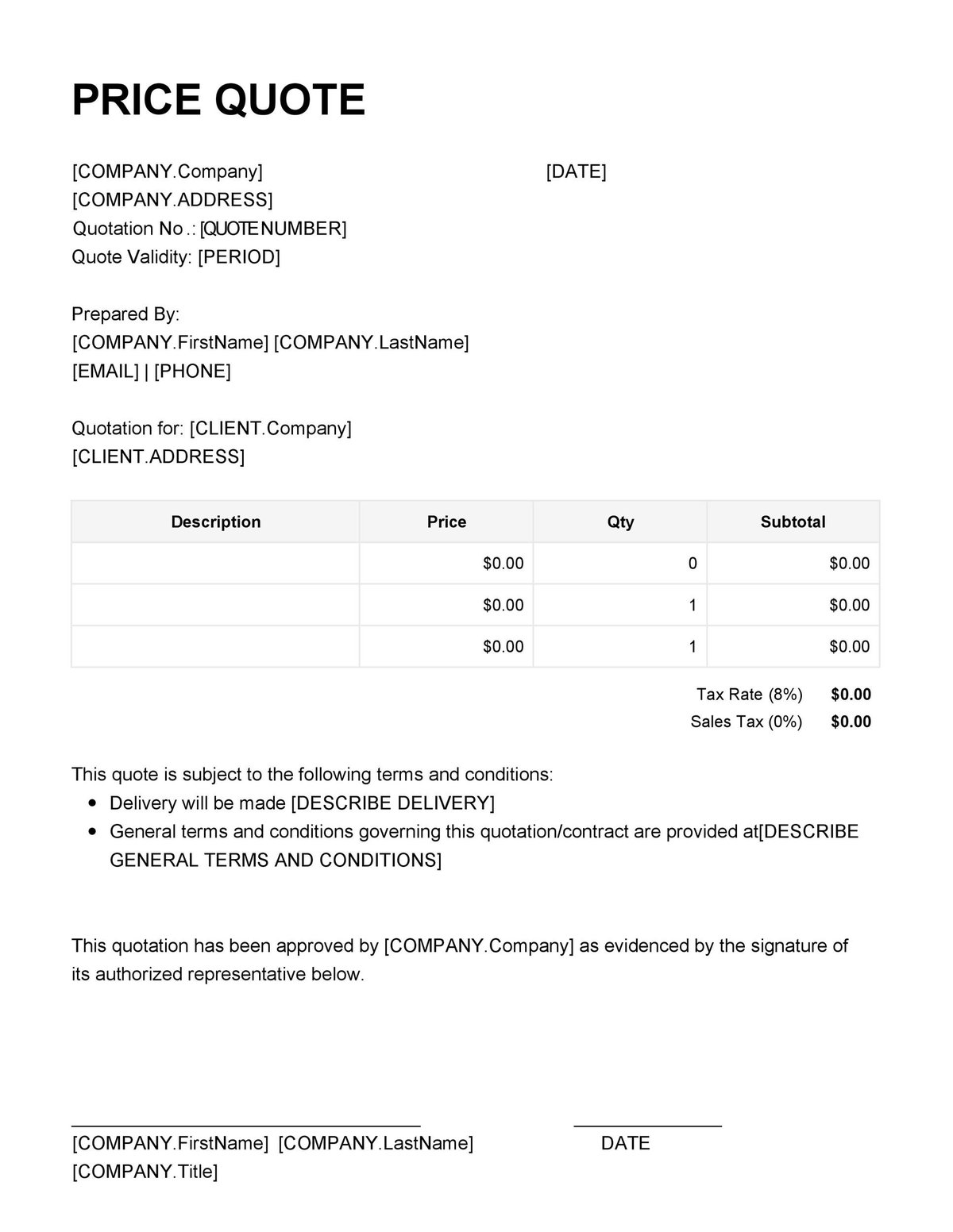
Ever lost a bid because your estimate was too high, or worse, won a project and lost money because you underestimated? This is the pain of inaccurate result quotation. Getting it right means the difference between thriving and just surviving in today's competitive landscape.
At a glance:
- Learn to define project scopes precisely to avoid costly scope creep.
- Master estimating techniques that account for all hidden costs and contingencies.
- Understand how to communicate your value proposition effectively, justifying your price.
- Discover strategies for monitoring progress and adjusting your estimates mid-project.
- Uncover common pitfalls in result quotation and how to avoid them.
The Foundation: Defining "Result" in Result Quotation
Before diving into the numbers, let's be clear: what "result" are we quoting for? A vague project scope is a recipe for disaster.
Example:
- Vague: "Redesign the website."
- Precise: "Redesign the website's homepage and product pages, including new user interface elements, improved search functionality, and mobile responsiveness, resulting in a 20% increase in conversion rates within three months."
The precise example allows for a much more accurate assessment of the required time, resources, and potential challenges. This definition of "result" also ties directly to the client's goals – an increase in conversion rates. As the pillar article, Unlock your success mindset, explains, a clear understanding of outcomes is crucial for achieving them.
Actionable Step: Before providing any quote, sit down with the client and meticulously define the project scope. Document everything, get sign-off, and refer back to it constantly throughout the project.
The Art and Science of Estimating Costs
Estimating is where the rubber meets the road. It's not just about calculating labor hours; it's about anticipating potential roadblocks.
Key elements to consider:
- Labor: Factor in salary, benefits, taxes, and potential overtime.
- Materials: Get multiple quotes from suppliers to ensure the best price.
- Software/Tools: Account for subscription fees, licenses, and training costs.
- Overhead: Include rent, utilities, insurance, and administrative expenses.
- Contingency: Add a buffer (typically 10-20%) to cover unexpected costs.
Estimating Techniques: - Bottom-Up Estimating: Break the project down into smaller tasks and estimate the cost of each task. This is the most accurate but also the most time-consuming.
- Top-Down Estimating: Use historical data from similar projects to estimate the overall cost. Faster but less accurate.
- Parametric Estimating: Use statistical relationships between project variables (e.g., cost per line of code) to estimate costs. Requires solid historical data.
- Analogous Estimating: Estimate based on similar past projects.
Example:
Imagine you're quoting for developing a mobile app. Using bottom-up estimating, you'd break it down:
- Design: UI/UX design, wireframing (2 weeks @ $X/week)
- Development: Front-end, back-end, database (8 weeks @ $Y/week)
- Testing: Unit testing, user acceptance testing (2 weeks @ $Z/week)
- Project Management: Communication, coordination (1 week/month @ $W/week)
- Contingency: 15% buffer
Pitfall: Failing to account for the time spent on client communication, revisions, and unexpected technical issues. These seemingly small tasks can eat into your profits.
Communicating Value: Justifying Your Price
You've crafted an accurate estimate. Great! Now you need to convince the client it's worth it. This is where your value proposition comes in.
Key elements of an effective value proposition:
- Highlight the benefits: Focus on what the client will gain (increased revenue, improved efficiency, enhanced brand image).
- Quantify the results: Use data and metrics to demonstrate the potential return on investment (ROI).
- Showcase your expertise: Highlight your experience, qualifications, and successful track record.
- Address the client's specific needs: Tailor your proposal to their unique challenges and goals.
Example:
Instead of saying, "We'll build you a website for $10,000," say, "We'll build you a website that generates a 30% increase in leads within six months, resulting in an estimated $20,000 in additional revenue. Our team has a proven track record of delivering similar results for clients in your industry."
Tip: Don't be afraid to charge a premium for your expertise. Clients are often willing to pay more for quality and peace of mind.
Monitoring Progress and Adapting Estimates
Even the best estimates can go awry. Effective project management involves constantly monitoring progress and making adjustments as needed.
Key strategies for monitoring and adaptation:
- Regular progress meetings: Keep the client informed of your progress and any potential challenges.
- Earned Value Management (EVM): A technique for measuring project performance against the plan.
- Change Management Process: Establish a formal process for handling scope changes and their impact on the budget.
Example:
Let's say you're halfway through the mobile app development and discover that a key third-party API is more complex than initially anticipated. This requires additional development time.
- Communicate the issue: Immediately inform the client of the problem and its potential impact on the budget and timeline.
- Propose a solution: Outline the alternative approaches and their associated costs.
- Get approval: Obtain written approval from the client before proceeding with the changes.
Pitfall: Failing to communicate changes promptly can lead to misunderstandings, conflict, and ultimately, a damaged client relationship.
Result Quotation: Avoiding Common Pitfalls
Even with the best intentions, mistakes happen. Recognizing common errors helps you dodge them.
- Underestimating Scope: Not fully understanding the project requirements before providing a quote.
- Ignoring Hidden Costs: Neglecting to factor in expenses such as travel, software licenses, and training.
- Failing to Account for Risk: Overlooking potential challenges, such as technical difficulties, delays, and scope creep.
- Poor Communication: Not keeping the client informed of progress and changes.
- Lack of Documentation: Not properly documenting the project scope, assumptions, and estimates.
Practical Playbook: Steps to Accurate Result Quotation
Here's a step-by-step guide you can put into action immediately:
- Define the "Result": Collaborate with the client to clearly define the project scope, deliverables, and desired outcomes. Document everything in writing.
- Break it Down: Divide the project into smaller, manageable tasks.
- Estimate Costs: Use a combination of estimating techniques (bottom-up, top-down, parametric) to estimate the cost of each task.
- Add Contingency: Include a buffer (10-20%) to cover unexpected costs.
- Develop Value Proposition: Craft a compelling value proposition that highlights the benefits, quantifies the results, and showcases your expertise.
- Present the Quote: Clearly communicate your estimate, value proposition, and assumptions to the client.
- Monitor Progress: Regularly track progress against the plan and make adjustments as needed.
- Manage Changes: Establish a formal process for handling scope changes and their impact on the budget.
- Document Everything: Maintain detailed records of the project scope, estimates, progress, and changes.
Quick Answers: Result Quotation FAQs
Q: How do I handle a client who wants to negotiate my price down?
A: Be prepared to justify your estimate and highlight the value you provide. Consider offering alternative solutions or reducing the scope if necessary. Don't be afraid to walk away if the client is unwilling to pay a fair price for your services.
Q: What if I realize I've underestimated the project after it's already started?
A: Communicate the issue to the client immediately and explain why the estimate was inaccurate. Propose a solution, such as increasing the budget or reducing the scope. Be transparent and honest throughout the process.
Q: How important is it to have a written contract?
A: Absolutely essential. A written contract protects both you and the client by clearly defining the project scope, deliverables, payment terms, and other important details.
Q: What are some tools that can help with result quotation?
A: Project management software (e.g., Asana, Trello, Jira), estimating software (e.g., ProEst, Sage Estimating), and spreadsheet software (e.g., Excel, Google Sheets).
Take Action Now
Accurate result quotation is not just about numbers; it's about clear communication, meticulous planning, and a commitment to delivering value. By following the steps outlined above and avoiding common pitfalls, you can increase your chances of winning bids, delivering successful projects, and building lasting client relationships. Remember, the goal isn't just to win the project, but to deliver a result that both you and the client are proud of. Embrace these principles, and watch your business thrive.