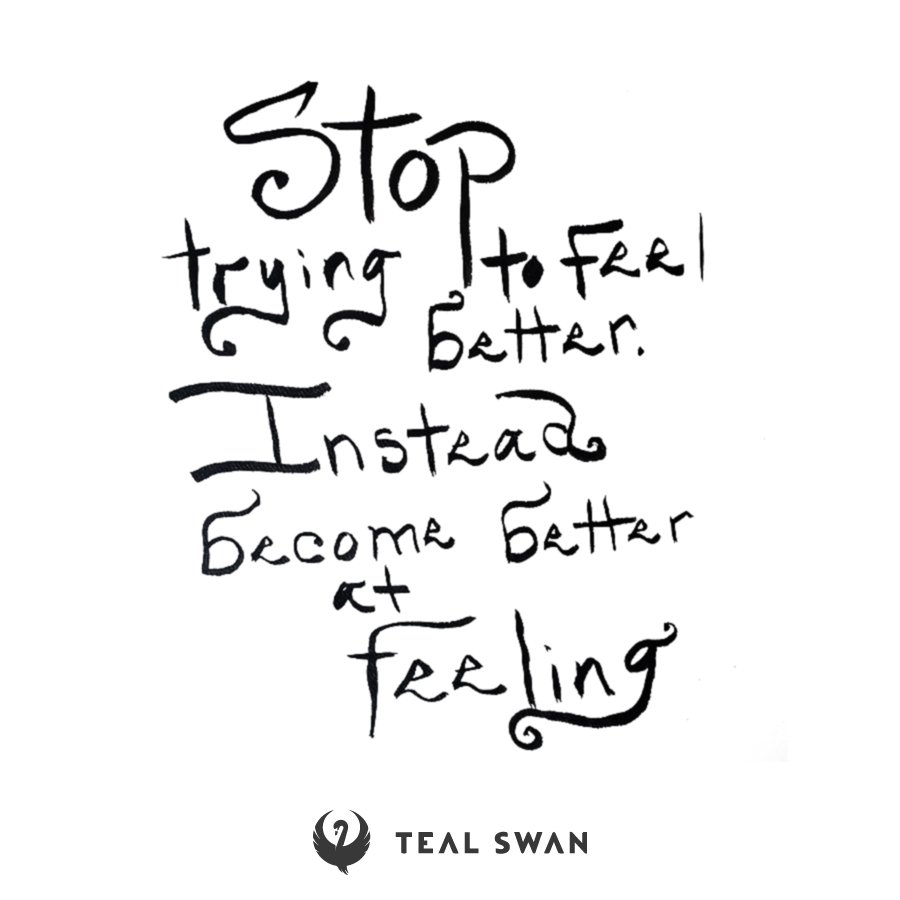
For the bigger picture and full context, make sure you read our main guide on Short Self Improvement Quotes To Inspire Your Best Self.
Ever feel stuck, like you're running in place despite wanting more from life? Sometimes, all it takes is a shift in perspective, a nudge in the right direction. That's where trying to be better quotes can be incredibly powerful. They distill complex ideas into easily digestible nuggets of wisdom, offering motivation and guidance when you need it most.
At a glance:
- Discover how trying to be better quotes can fuel your self-improvement journey.
- Learn how to identify the quotes that resonate most with your specific goals and challenges.
- Understand the importance of action and implementation, turning inspiration into tangible results.
- Address common misconceptions about self-improvement and the role of motivation.
- Get a practical playbook for integrating these quotes into your daily routine for lasting change.
Why “Trying to Be Better” Matters: The Power of Quotes
The desire to improve is fundamental to human nature. We all strive for something more, whether it's greater success, deeper relationships, or simply inner peace. But the path to self-improvement isn't always clear.
Trying to be better quotes act as signposts along the way. They encapsulate universal truths and lessons learned by those who have walked the path before us. These quotes can:
- Provide clarity: When you're feeling lost or uncertain, a well-chosen quote can offer a fresh perspective.
- Boost motivation: They can reignite your passion and commitment to your goals.
- Promote self-reflection: Quotes can prompt you to examine your beliefs, values, and behaviors.
- Offer comfort and support: Knowing that others have faced similar challenges and overcome them can be incredibly reassuring.
However, it's crucial to remember that quotes are just the starting point. They provide the spark, but you need to supply the fuel and the action.
Finding the Right Quotes: Resonance and Relevance
Not all trying to be better quotes are created equal. What resonates with one person may not resonate with another. The key is to find quotes that are personally meaningful and relevant to your current situation and goals.
Here's a step-by-step approach to finding "your" quotes:
- Identify your area(s) of focus: What aspect of your life are you trying to improve? Is it your career, your relationships, your health, or something else?
- Browse and explore: Read collections of self-improvement quotes, paying attention to the ones that make you pause and think. Find inspiring short quotes here.
- Reflect on your feelings: When you encounter a quote that resonates, ask yourself why. What is it about this quote that speaks to you?
- Keep a journal: Write down the quotes that resonate with you, along with your reflections on them.
- Revisit and refine: As you grow and evolve, your "go-to" quotes may change. Regularly revisit your collection and refine it to ensure that it still reflects your current goals and values.
Example: Let's say you're struggling with procrastination. A quote like "The best time to plant a tree was 20 years ago. The second best time is now," might be particularly powerful. It highlights the importance of taking action, even if you feel like you're starting late.
From Inspiration to Action: Turning Quotes into Results
Reading trying to be better quotes can be inspiring, but inspiration alone is not enough. To truly benefit from these quotes, you need to translate them into action.
Here's a practical framework for doing just that:
- Choose one quote to focus on: Don't try to absorb too much at once. Select one quote that particularly resonates with you and make it your focus for the week (or month).
- Break it down: What does this quote mean to you in practical terms? How can you apply it to your daily life?
- Set specific goals: Identify concrete actions you can take that align with the message of the quote.
- Track your progress: Keep a journal or use a habit tracker to monitor your progress and stay accountable.
- Reflect and adjust: At the end of the week (or month), reflect on your experience. What did you learn? What worked well? What could you do differently next time?
Case Snippet: Sarah, a marketing manager, felt overwhelmed by her workload. She chose the quote, "Do one thing every day that scares you." For her, that meant volunteering to lead a presentation, something she normally avoided due to stage fright. While initially terrifying, the experience boosted her confidence and helped her develop valuable public speaking skills.
Common Pitfalls and How to Avoid Them
The path to self-improvement is not always smooth. It's important to be aware of the common pitfalls and to have strategies for overcoming them.
- Overwhelm: Trying to do too much too soon can lead to burnout and discouragement. Solution: Start small and focus on making incremental progress.
- Perfectionism: Striving for perfection can paralyze you and prevent you from taking action. Solution: Embrace the idea of "good enough" and focus on progress, not perfection.
- Negative self-talk: Self-doubt and negative thoughts can sabotage your efforts. Solution: Challenge negative thoughts and replace them with positive affirmations.
- Lack of accountability: Without accountability, it's easy to lose motivation and slip back into old habits. Solution: Find an accountability partner or join a support group.
- Quoting without doing: Reading inspirational quotes is great, but useless without taking action. Solution: Always ask yourself, "What specific action can I take TODAY based on this quote?"
Quick Answers: Addressing Common Misconceptions
Q: Are trying to be better quotes just empty platitudes?
A: They can be if you don't actively internalize and apply them. The value lies in the reflection and action they inspire. Think of them as seeds that need to be watered with effort.
Q: Is self-improvement a selfish pursuit?
A: Not at all. When you improve yourself, you're better equipped to contribute to the world and support those around you. Self-improvement is about becoming the best version of yourself, and that benefits everyone.
Q: Do I need to completely transform myself to be considered "better"?
A: Self-improvement is about progress, not perfection. Small, consistent changes can have a profound impact over time. Focus on making incremental improvements in the areas that matter most to you.
Q: What if I try but still fail?
A: Failure is a natural part of the learning process. Don't let setbacks discourage you. View them as opportunities to learn and grow. As another quote says, "Success is not final, failure is not fatal: It is the courage to continue that counts.”
Practical Playbook: Integrating Quotes into Your Life
Here’s a quick-start guide to making "trying to be better quotes" a real force in your life:
- Morning Ritual: Start your day with a dose of inspiration. Read a quote that resonates with you as part of your morning routine. Write it on a sticky note and put it on your mirror.
- Digital Reminders: Set a daily reminder on your phone to display a different quote each day. Apps like "ThinkUp" or simple calendar reminders work well.
- Journaling Prompts: Use quotes as prompts for journaling. Write about what the quote means to you, how it relates to your life, and what actions you can take to embody its message.
- Visual Cues: Create a vision board with quotes that inspire you. Surround yourself with visual reminders of your goals and aspirations.
- Share and Discuss: Share your favorite quotes with friends, family, or colleagues. Discuss their meaning and how you can support each other's self-improvement journeys.
- Evening Reflection: Before bed, review the day and see how you lived (or didn't live) the quote you focused on. What lessons did you learn?
Decision Tree: When to Use a Quote
- Feeling unmotivated? Yes: Find a quote that reignites your passion. No: Move on.
- Facing a challenge? Yes: Seek a quote that offers perspective or encouragement. No: Move on.
- Unsure of your direction? Yes: Explore quotes that clarify your values and goals. No: Move on.
- Need a quick boost? Yes: Read a favorite quote to remind yourself of your potential. No: Move on.
Trying to be better isn't a one-time event; it's a continuous process. By incorporating these quotes into your daily life and actively working to embody their message, you can unlock your potential and create a more fulfilling and meaningful existence.